





Historia
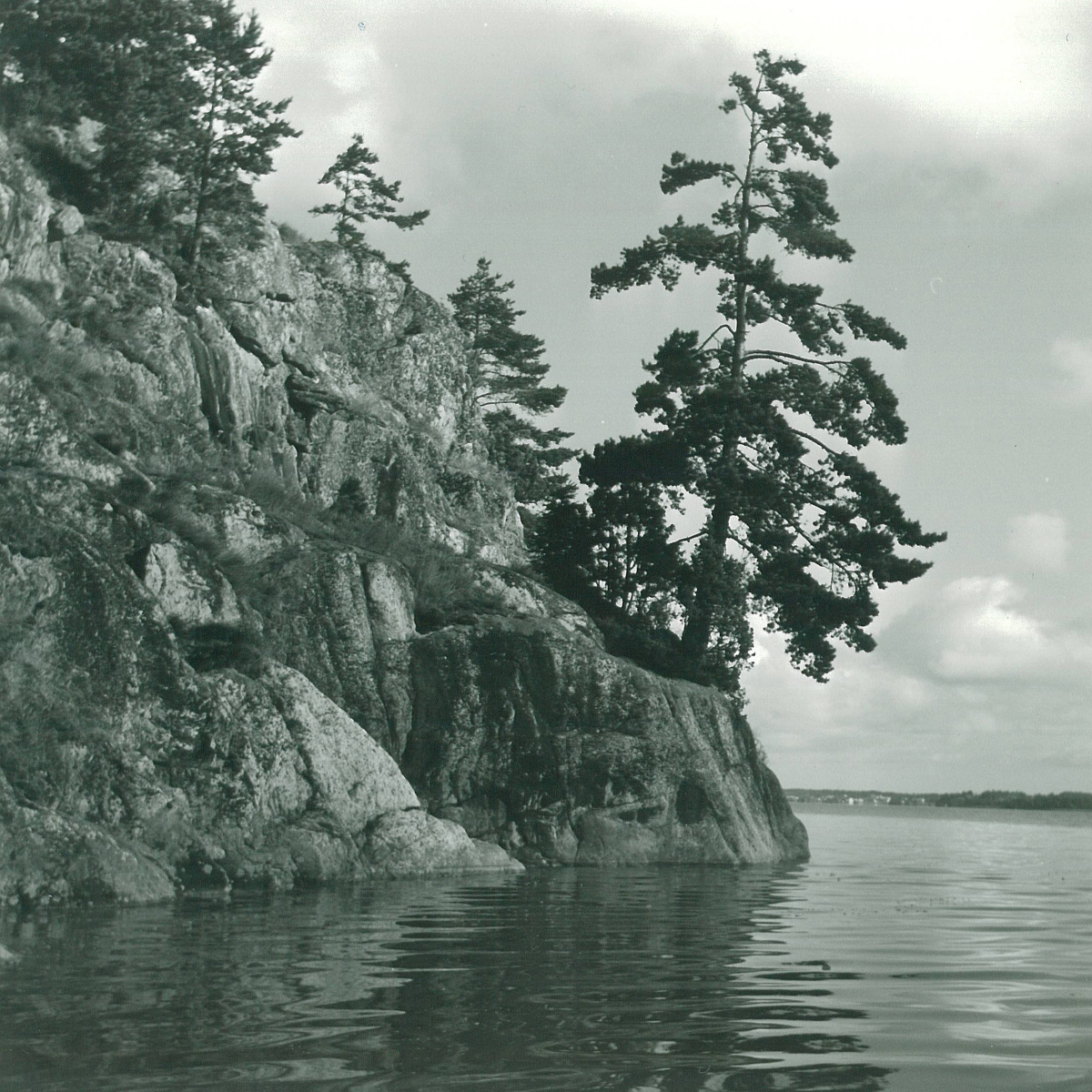
Tuusulanjärven alueella on liikuttu ja kalastettu jo vuosituhansia. Muinaisasutus järven rannoilla perustui suurelta osin kalastukseen ja hylkeenpyyntiin.
Hajakuormitus
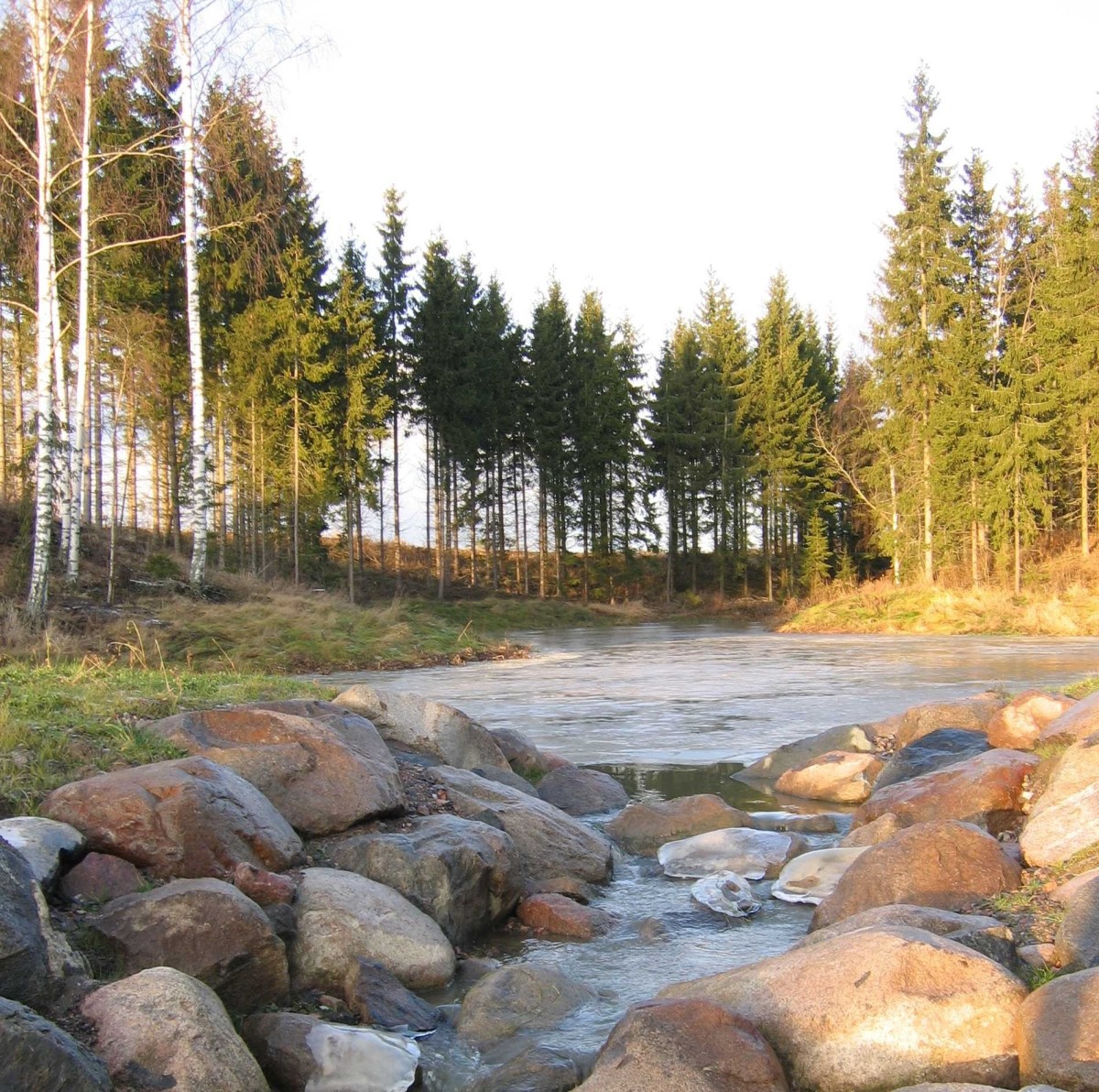
Rehevöittäviä ravinteita huuhtoutuu järveen kaksinkertainen määrä verrattuna siihen, mitä järvi voi sietää. Kuormitusta voidaan vähentää valuma-alueen kunnostustoimilla.
Ravintoketjukunnostus
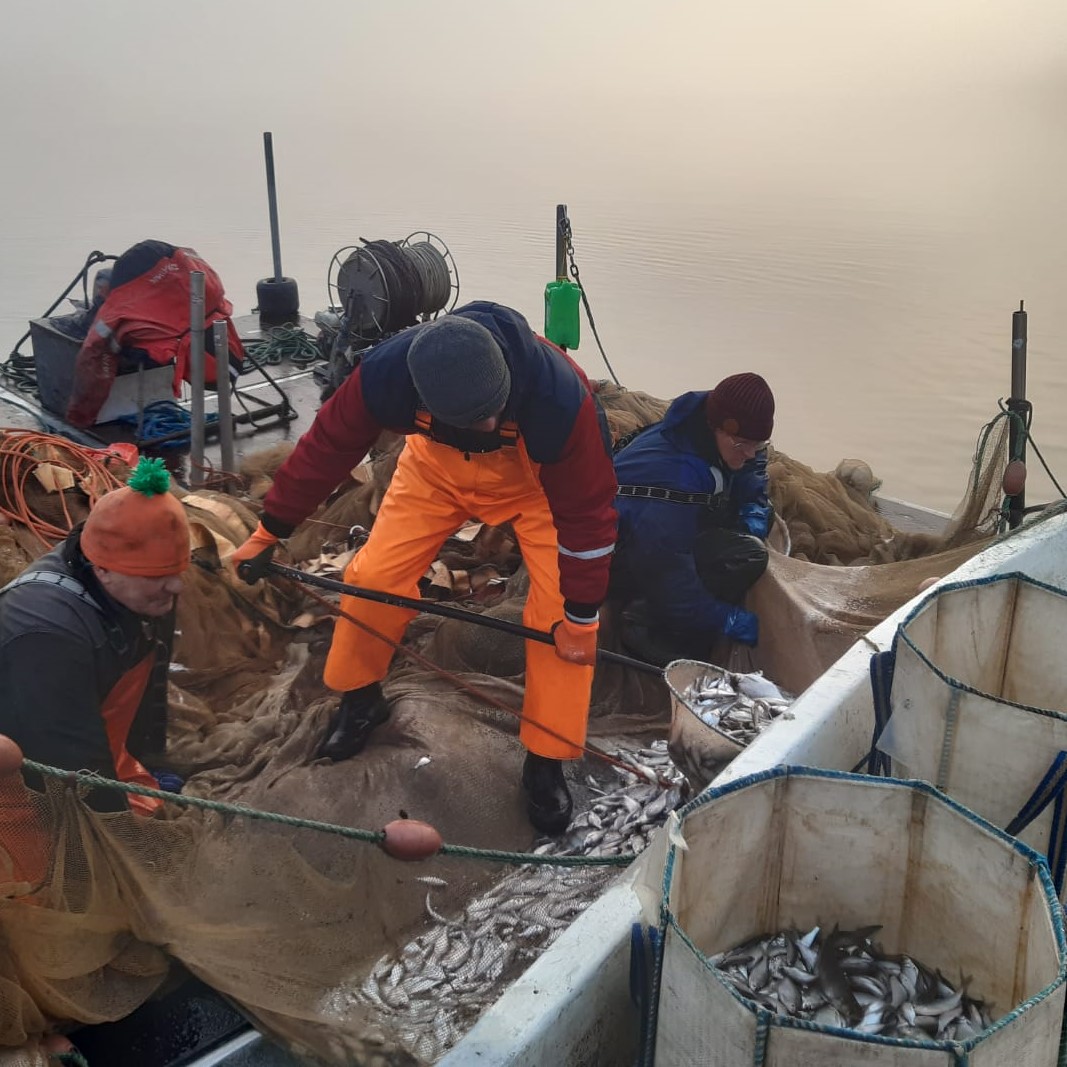
Särkikaloja vähentämällä ja petokalakantaa vahvistamalla voidaan vaikuttaa ravintoverkon toimintaan siten, että kasviplanktonin (levien) määrä vähenee.
Maatalous
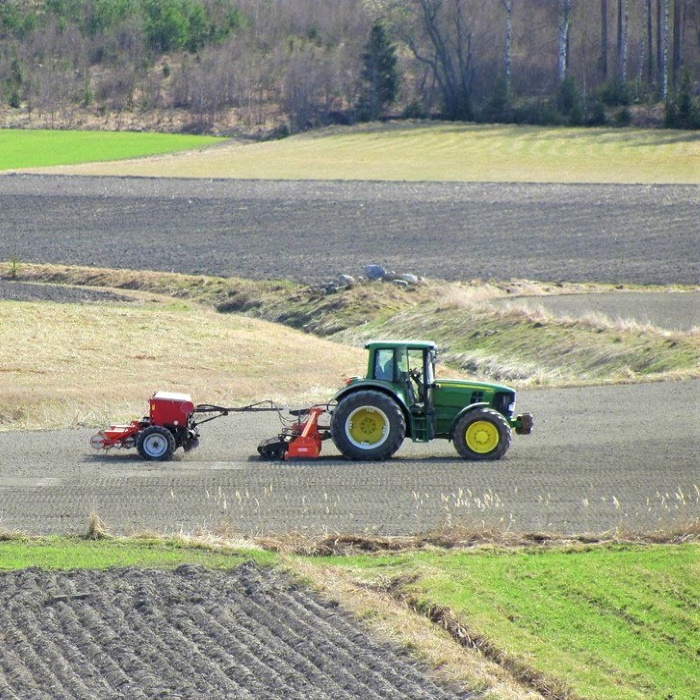
Peltoa on kolmasosa Tuusulanjärven valuma-alueen pinta-alasta. Talviaikainen kasvipeitteisyys ja maanparannusaineet vähentävät eroosiota ja ravinnekuormaa.
Kosteikot
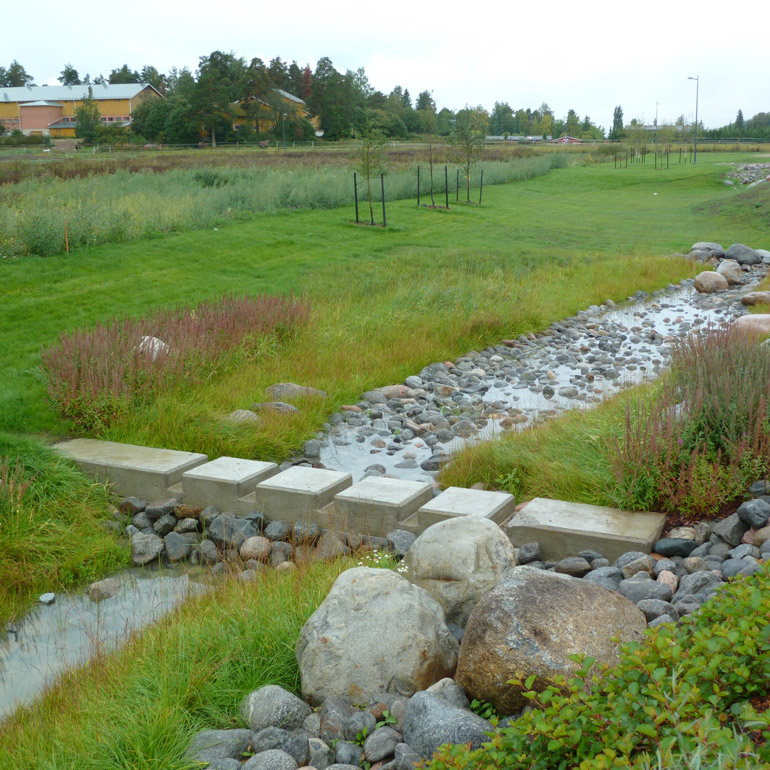
Kosteikot ja laskeutusaltaat pysäyttävät veden kuljettamaa kiintoainesta ja ravinteita. Samalla ne elävöittävät maisemaa, lisäävät vesiluonnon monimuotoisuutta ja tarjoavat suojaa ja pesäpaikkoja linnuille.
Veden laatu
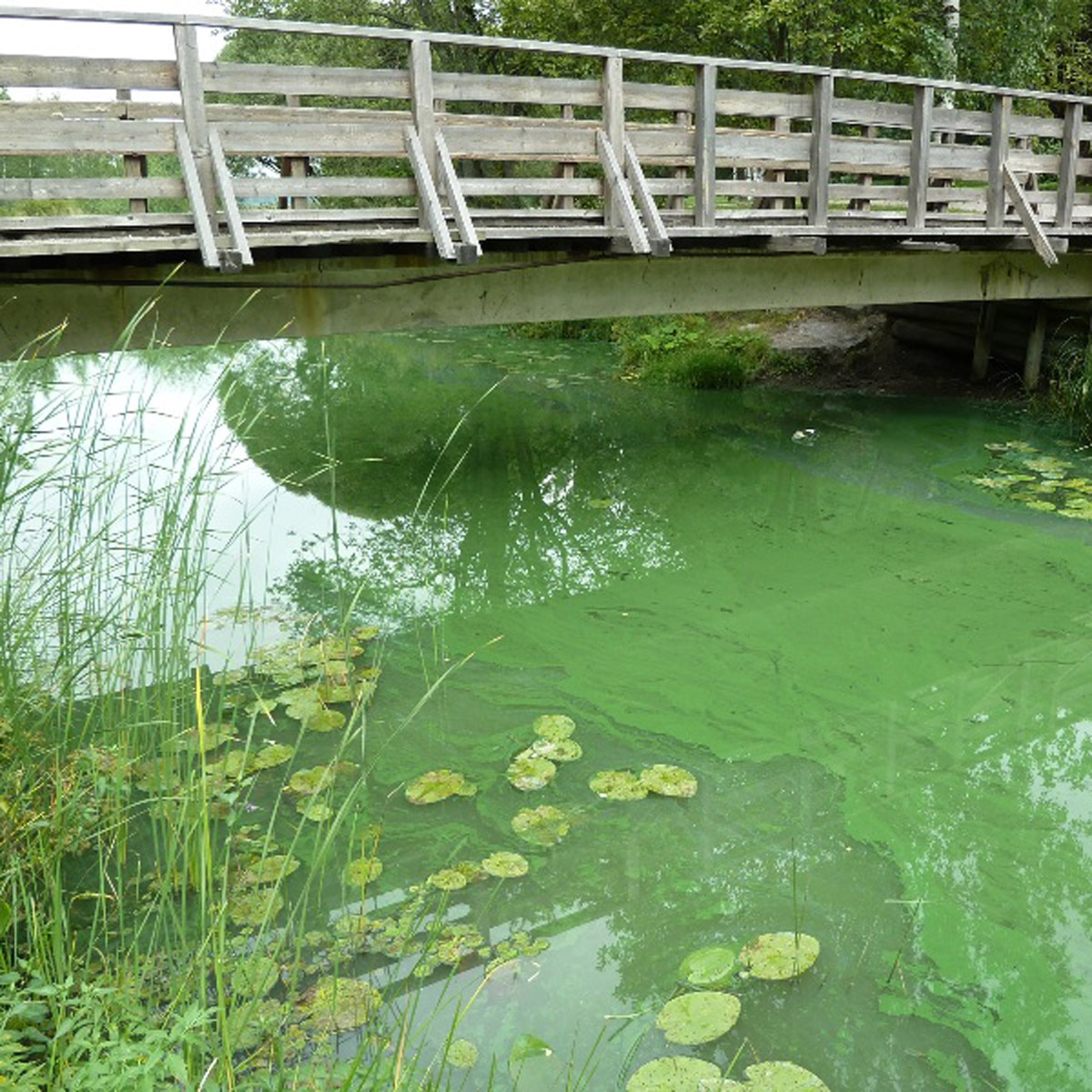
Vesistöjen luokituksessa vesistön tilaa verrataan sen luontaiseen tilaan. Tila on sitä parempi mitä vähemmän ihmisen toiminta on vaikuttanut siihen. Tuusulanjärven ekologinen tilaluokka nousi välttävästä tyydyttäväksi viimeisimmässä, vuoden 2019 luokittelussa. Kunnostuksen tavoite on hyvä tila.
Julkaisut
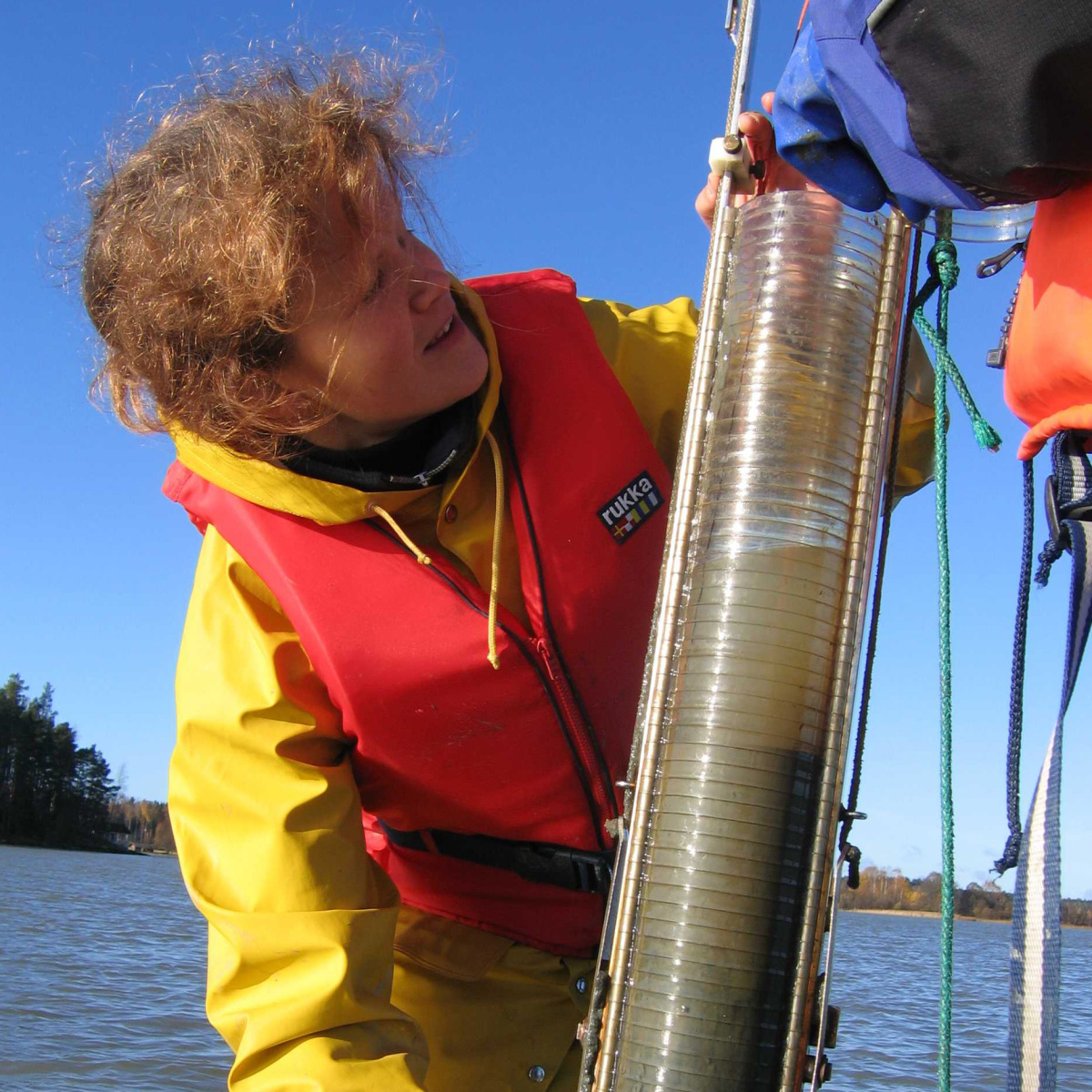
Tuusulanjärvi on yksi Suomen tutkituimmista järvistä. Ensimmäiset tutkimukset julkaistiin jo 1900-luvun alussa. Nykyään järven vedenlaatua ja eliöstöä seurataan kunnostuksen vaikutusten arvioimiseksi.
Ajankohtaista
4.10.2022
4.10.2022
20.12.2021
20.12.2021
3.5.2021
3.5.2021
Hyväksy evästeet niin saat sisällön näkyviin.